Understanding how a custom bag is actually made helps buyers see why certain information is requested early, and why some changes are simple at one stage and disruptive at another.
The project begins with what the bag needs to do: intended use, material, dimensions, colour, branding, quantity, and any timeline. These are recorded as a specification, which becomes the reference for everything that follows.
The specification is translated into something producible: pattern and construction decisions, handle attachment, seam and reinforcement points, and how artwork sits within the panel. This is the stage where practical adjustments are proposed — for example a change in proportion or handle length that improves how the bag carries.
Fabric, handle material, labels, and any hardware are prepared against the confirmed specification. Colour and fabric are checked against the agreed reference before cutting begins.
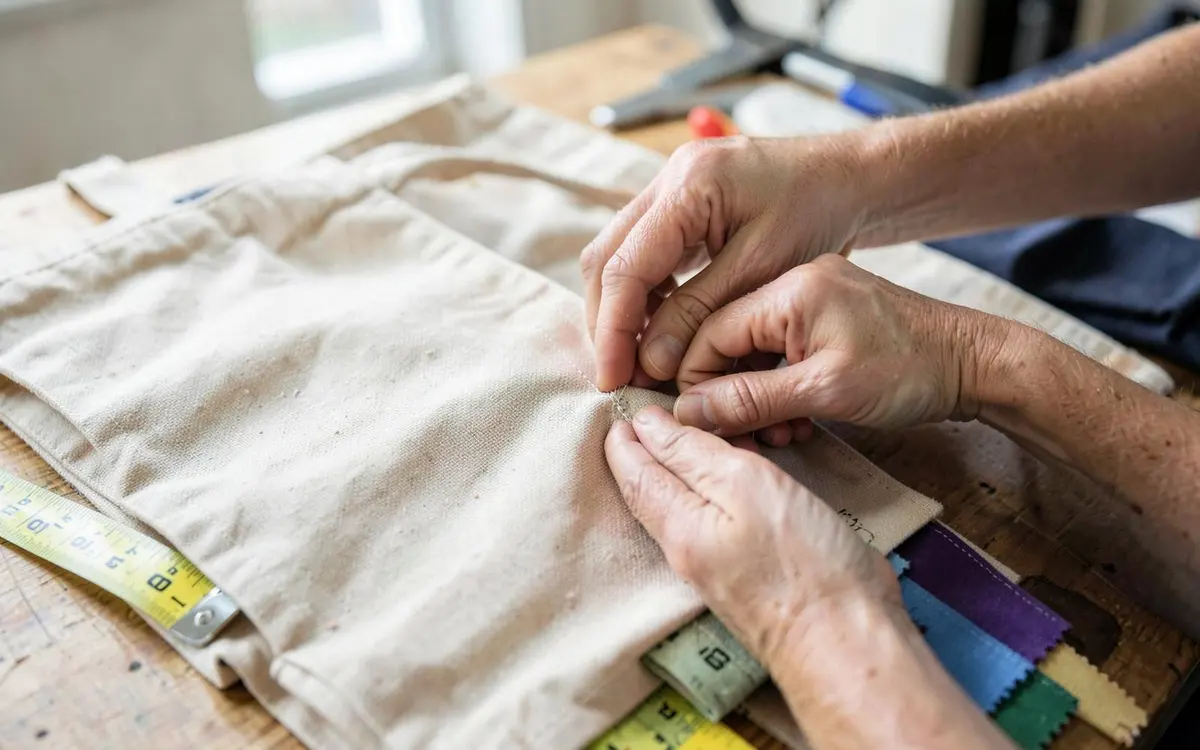
A sample is produced so the buyer can review the real product rather than a drawing. Feedback at this point is normal and expected; once the sample is approved it becomes the production standard.
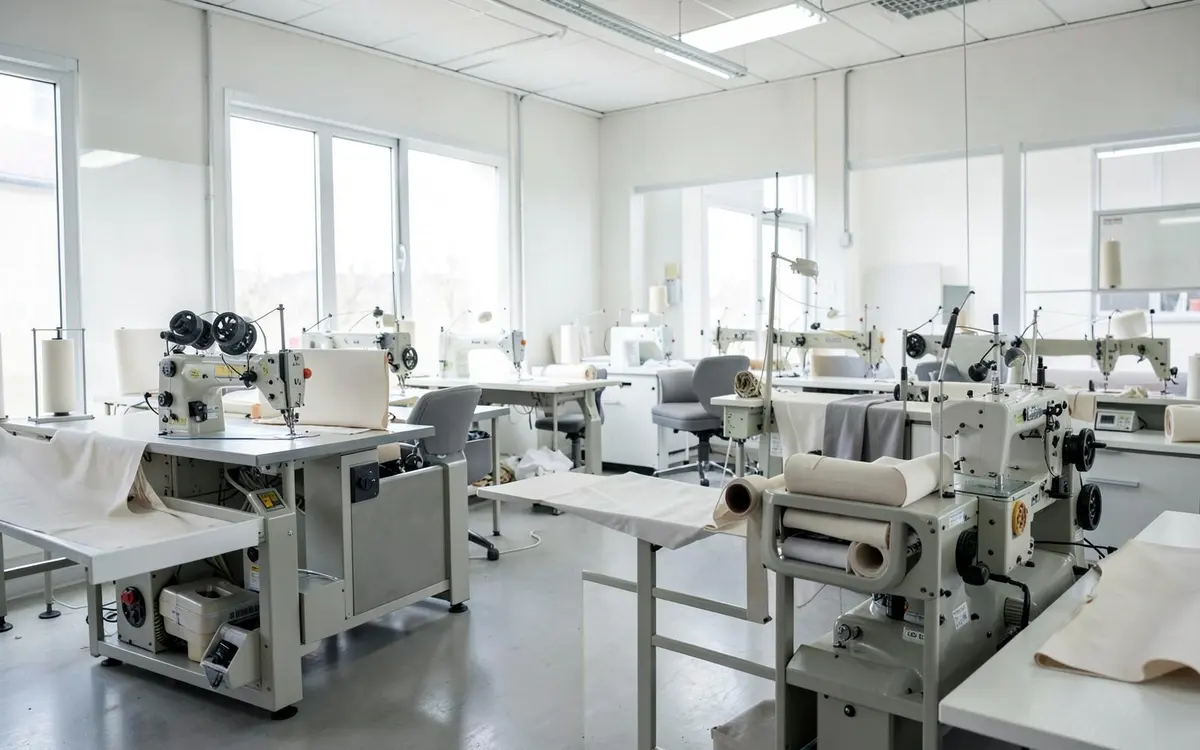
Fabric is cut to pattern and assembled. Consistency in cutting is what keeps dimensions uniform across the run, and stress points such as handle joins are reinforced during assembly.
Depending on the design and method, branding may be applied to panels before assembly or to the assembled bag. Placement is checked against the approved sample rather than judged by eye alone.
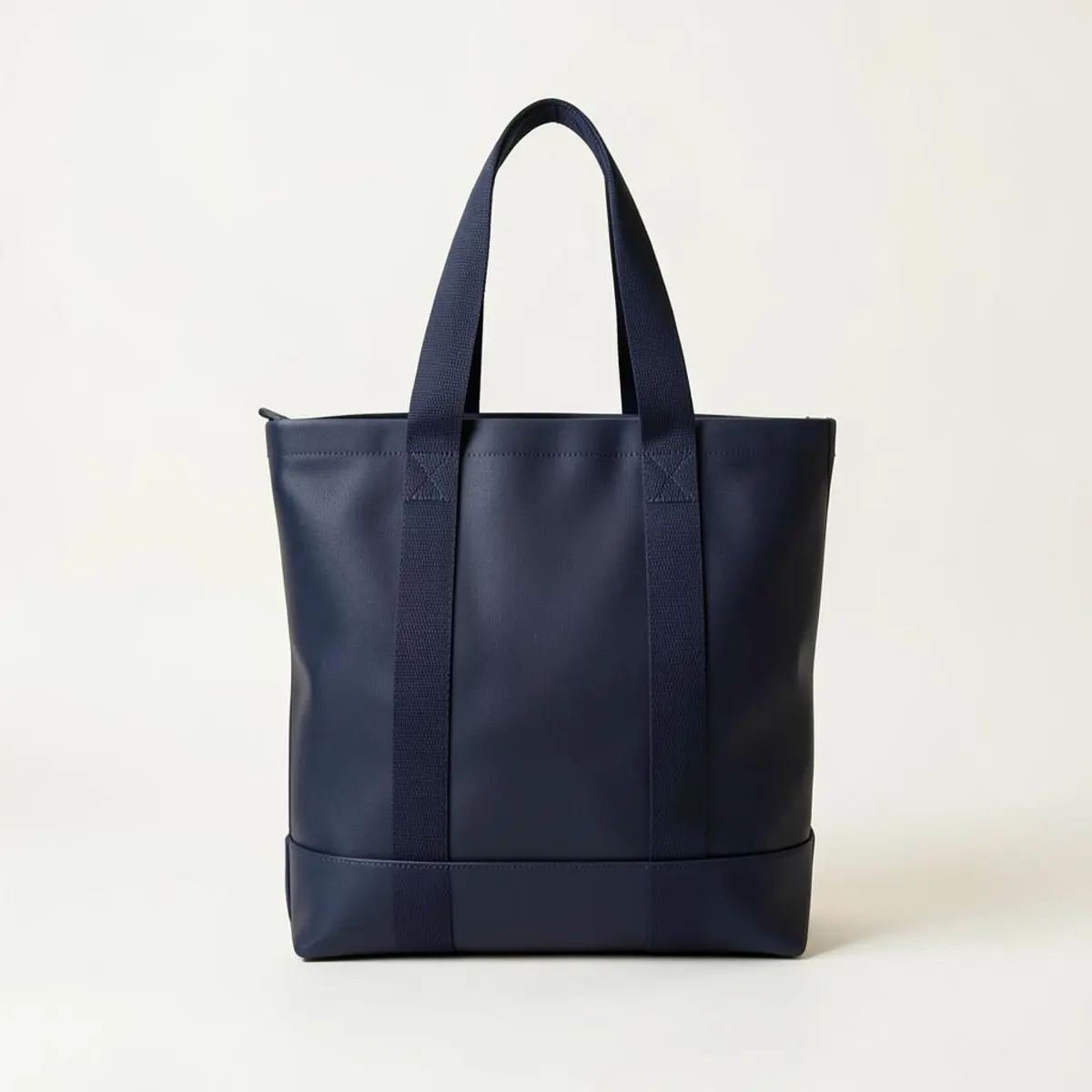
Finishing covers trimming, cleaning, label attachment, and final presentation. Inspection checks the details that matter in use: dimensions, stitching, handle attachment, print position, and overall appearance against the approved reference.
Approved bags are folded, counted, and packed as agreed, then prepared for dispatch according to the delivery arrangement.
- Specification and development: changes are straightforward
- Sampling: the right stage for adjustments to fit, proportion, and print
- After sample approval: changes affect schedule and cost
- During production: changes are disruptive and should be avoided
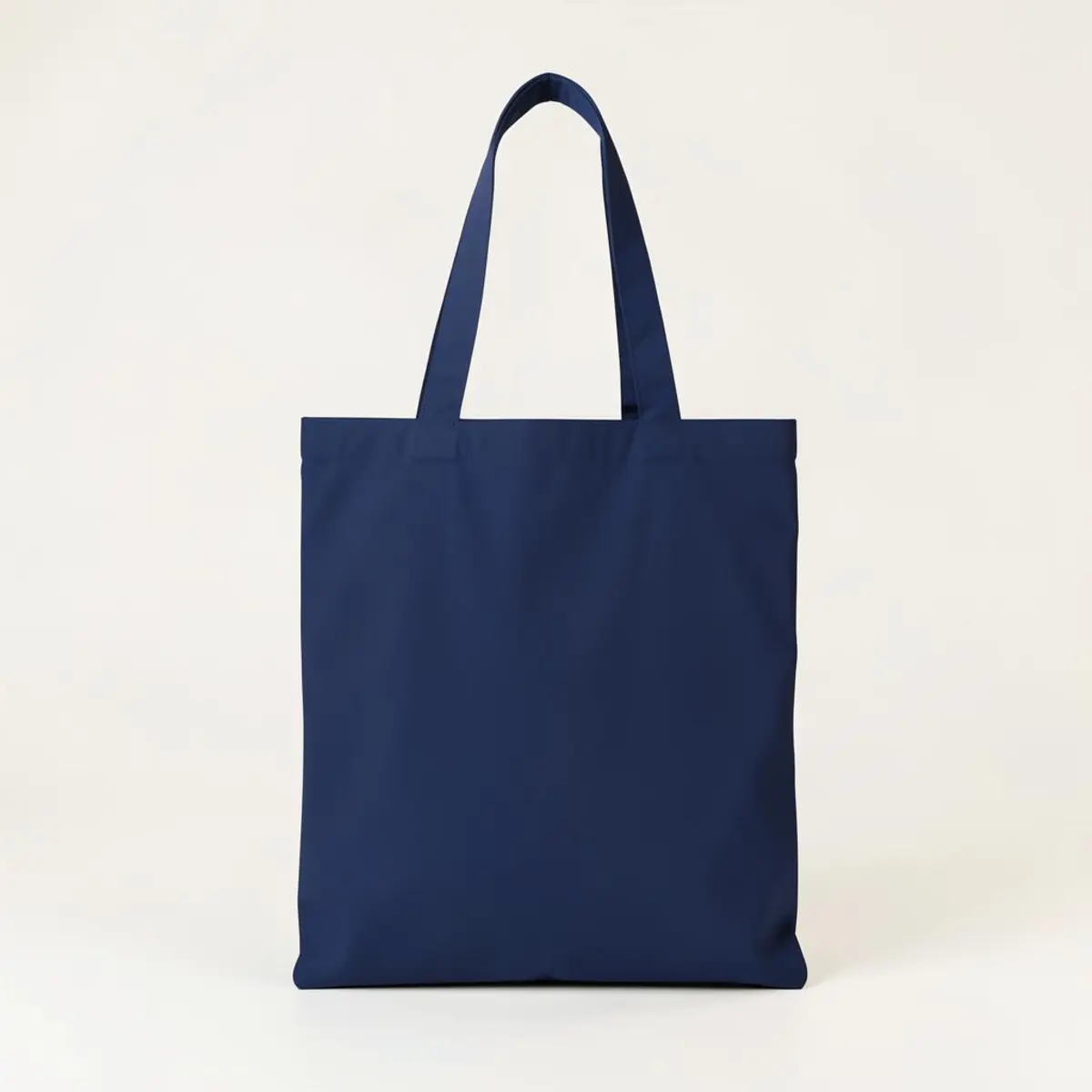
More detail on production and inspection is available on the manufacturing and quality page, and the current product range is in the tote bag catalog.