Sample approval is the point where a specification becomes a production standard. A structured review takes a few minutes and prevents issues that are far harder to address once a full run is complete.
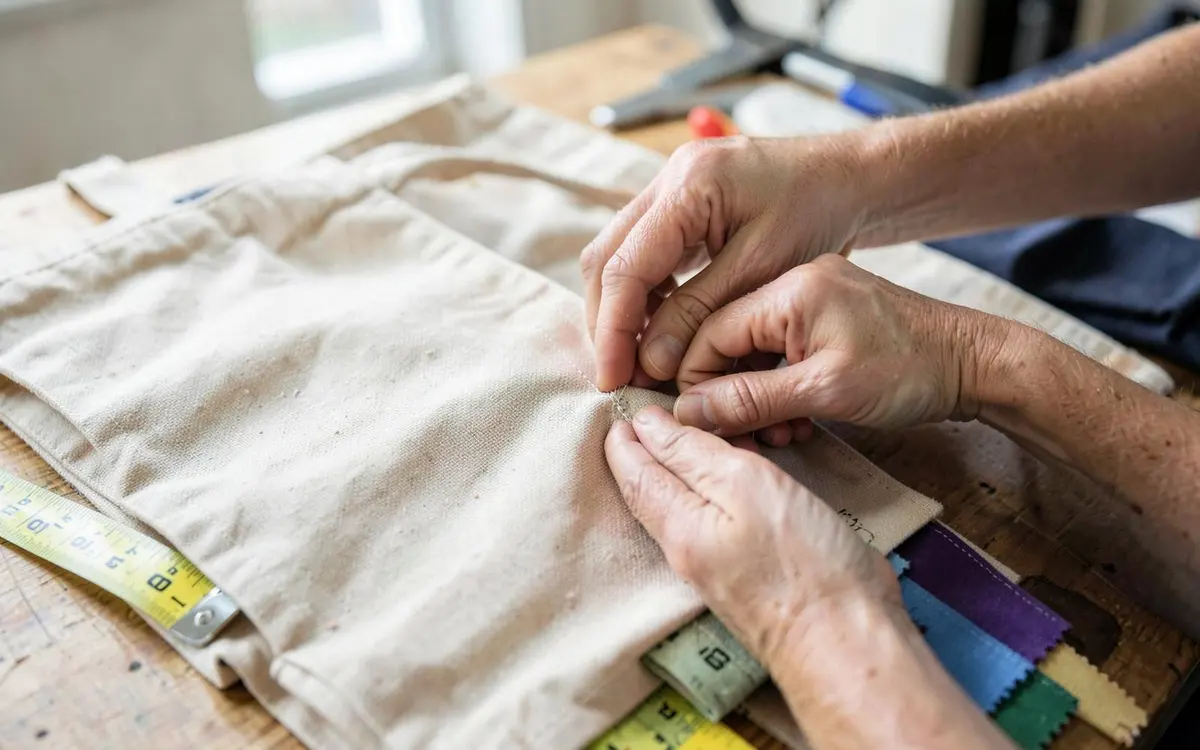
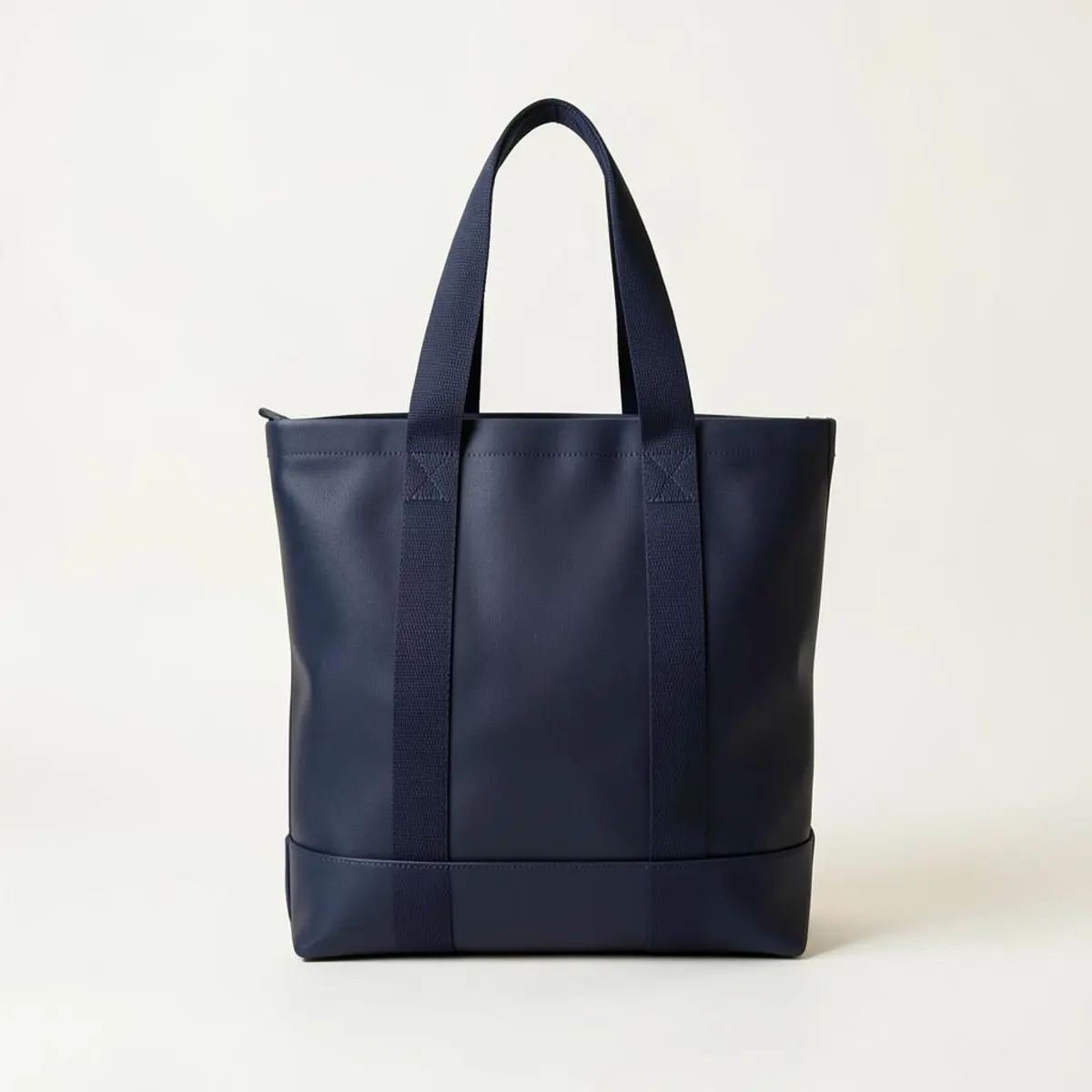
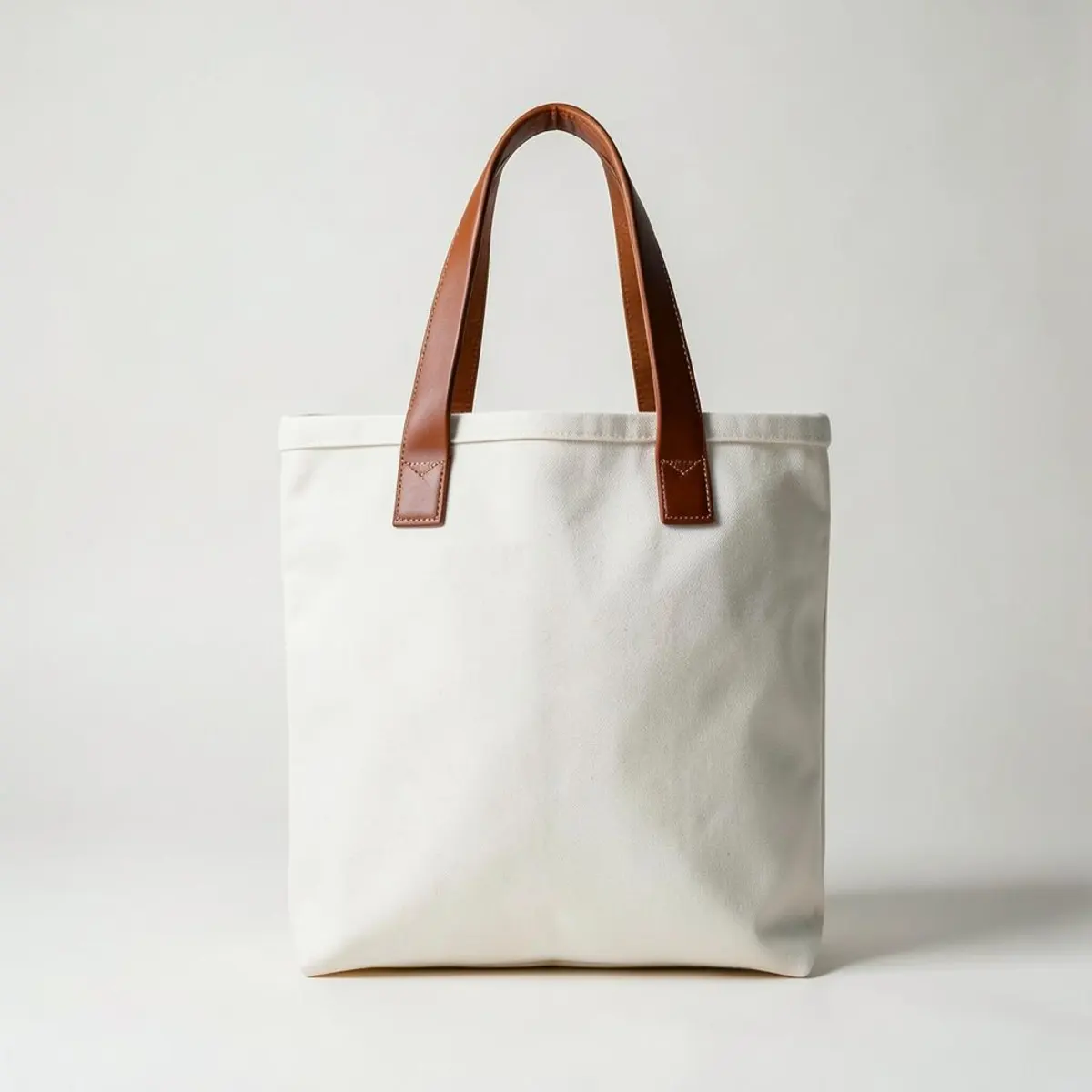
Read the specification with the sample in hand rather than reviewing the bag on its own impression. Confirm material, colour, dimensions, handle type and length, print position, labels, and any interior details line by line.
- Does the fabric feel as expected in weight and firmness?
- Is the colour correct under daylight, not only indoor lighting?
- Is the surface even, without visible marks or inconsistency?
Measure the bag, then load it with the contents it is intended to carry. Check that items fit without straining the seams and that the bag hangs correctly when carried at the intended handle length.
Look along the seams for straight, even stitching without skipped stitches or loose threads. Pay particular attention to handle attachment points, since that is where stress concentrates in normal use. Check that the base holds shape when the bag is loaded.
- Is the print in the specified position and size?
- Are edges clean, with fine detail and text legible?
- Is the printed colour acceptable as a physical reference?
- Is coverage even across the whole printed area?
Approve printed colour from the physical sample rather than a screen proof, for the reasons set out in the printing guide.
Check trimmed threads, label placement and orientation, any closure or pocket function, and general cleanliness. On retail projects these details carry a disproportionate share of the perceived quality.
Note what you approved, keep the sample, and photograph it. That record is the reference for the production run and for inspection afterwards. If something needs to change, state it specifically — a measurement, a position, a colour reference — rather than in general terms.
How inspection fits into production is described on the manufacturing and quality page.