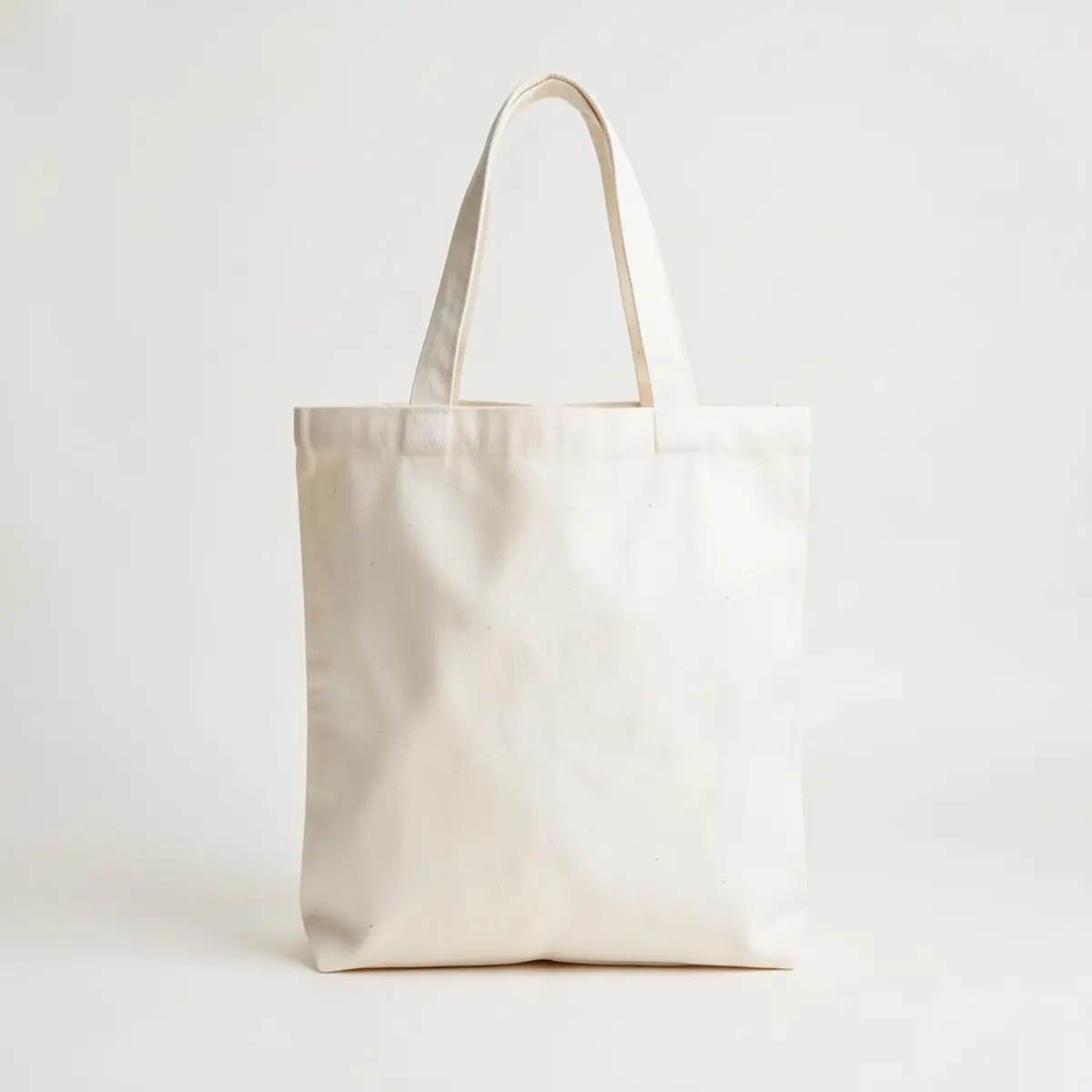
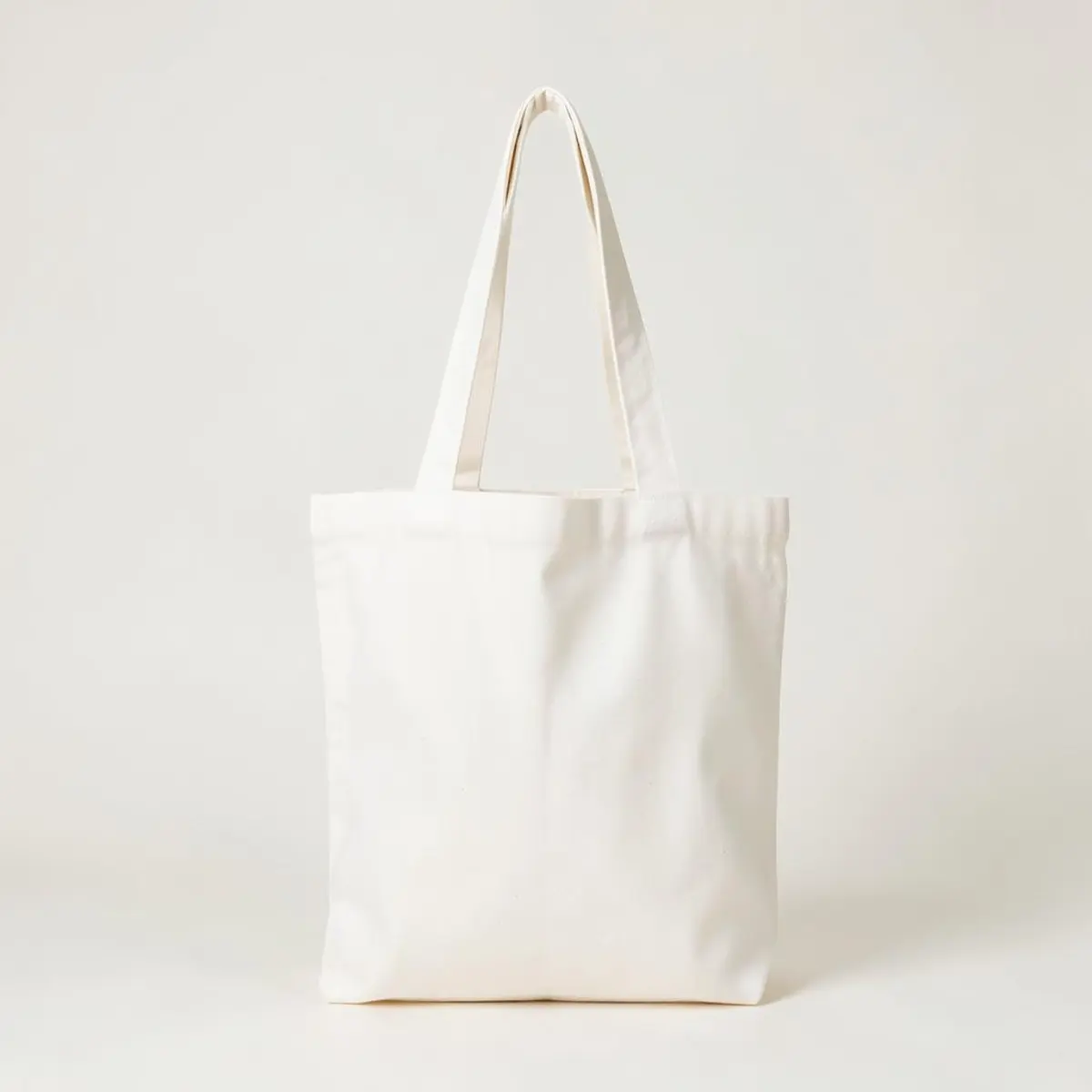
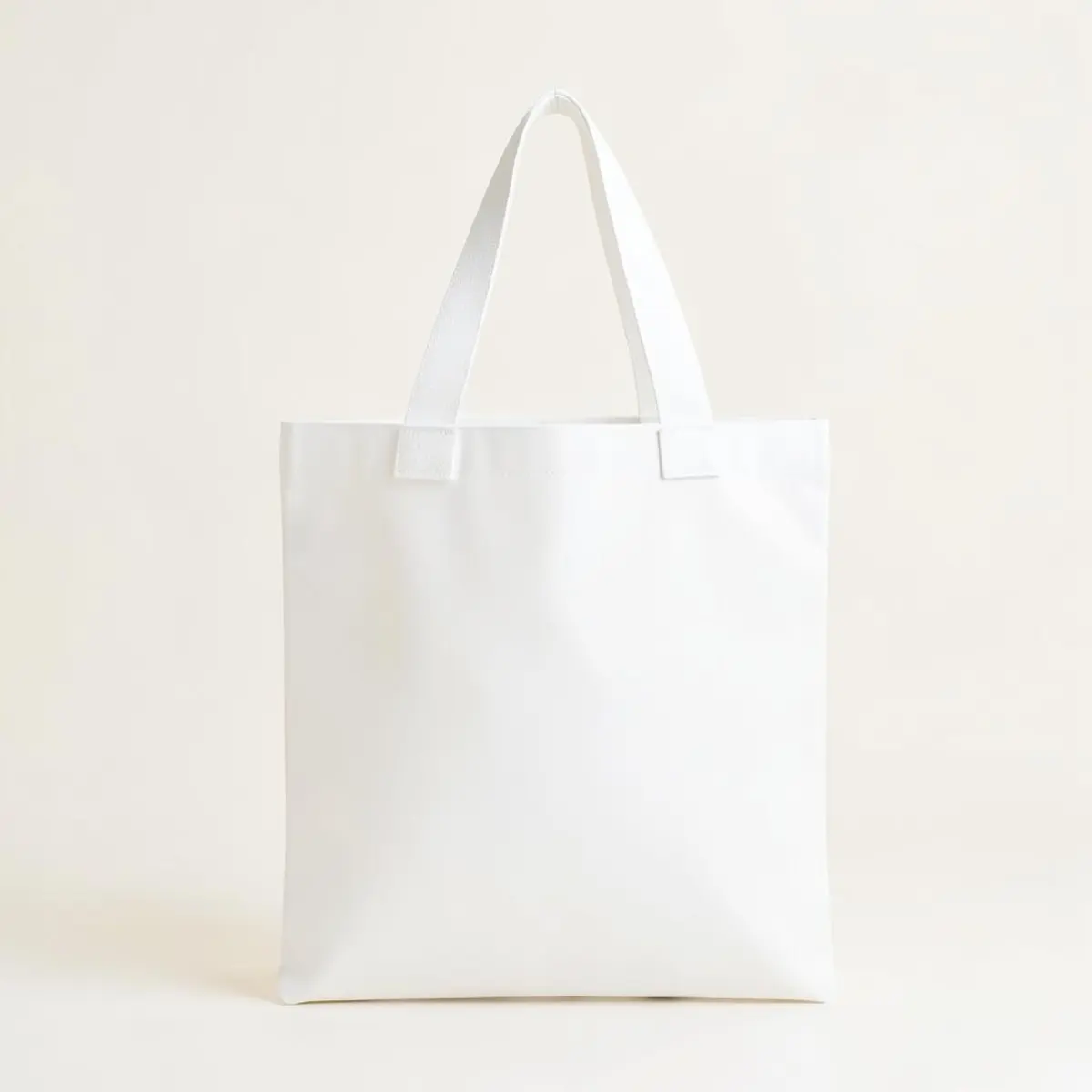
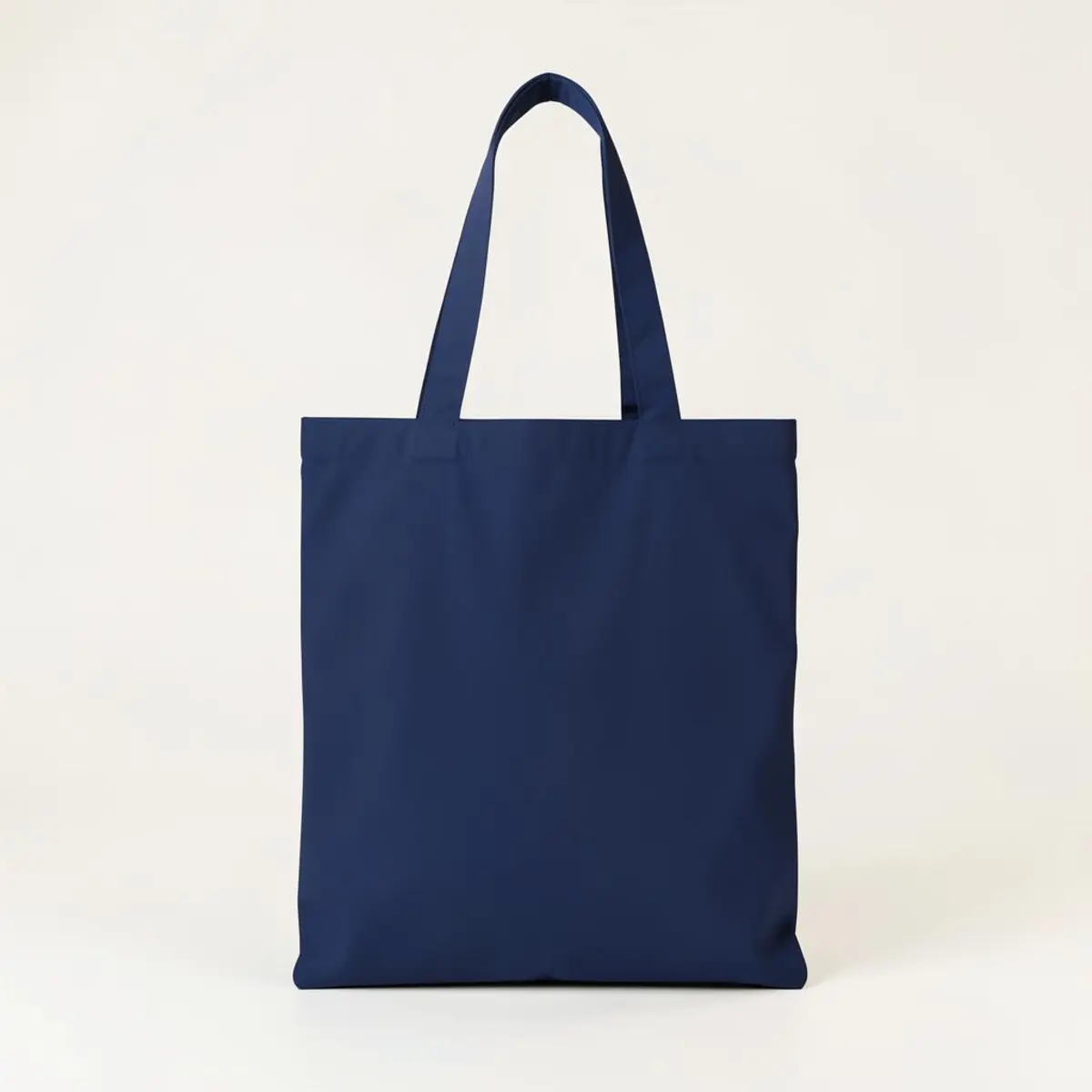
A tote bag looks like a simple product, but the version that works for a retail brand is rarely the version that works for a conference giveaway. The practical way to choose is to start from the job the bag has to do, then let material, size, and finishing follow from that.
Usage sets the baseline for everything else. A bag that carries documents for one event day has different requirements from a bag a customer reuses for groceries every week.
- Single-occasion use, such as an event or seminar kit
- Repeated everyday use, such as a retail or reusable shopping bag
- Packaging use, where the bag presents a product at the point of sale
- Internal use, such as uniform kits, sample sets, or logistics within a company
Write this down in one sentence before comparing materials. It prevents over-specifying a bag that only needs to survive one day, and under-specifying a bag that needs to last a year.
Durability is a combination of material weight, construction, and handle attachment rather than material alone. Consider the heaviest realistic load, whether the bag will be carried on the shoulder or by hand, and whether the contents have sharp corners such as boxes or books.
Heavier fabrics hold their shape and take more weight; lighter fabrics fold flat and are easier to distribute in volume. Reinforcement at the handle join matters more than most buyers expect, because that is where stress concentrates.
Some projects need only a clean logo placement. Others need full-surface artwork, a specific brand color across the whole bag, or a label and finishing details that make the bag feel like part of the product range. The visual ambition of the project affects material choice, because not every surface carries every kind of artwork equally well.
If branding is central to the project, review the customization options early rather than after the material is locked in.
Quantity influences which specifications are practical. Larger runs make it worthwhile to standardize a single model, material, and color so every unit matches. Smaller runs often allow more variation, but each variation is its own set of specifications to confirm.
Consistency also depends on documentation. A confirmed specification sheet and an approved sample give both sides a shared reference for what the finished bag should look like.
Cost per bag is only part of the picture. A promotional bag that is discarded after one use is a different calculation from a reusable bag that a customer carries for months and that keeps your brand visible while doing so. Decide which outcome you are buying, then choose the specification that supports it.
- Primary use and expected lifespan
- Heaviest intended load and carrying method
- Preferred material and approximate fabric weight, if known
- Approximate dimensions and handle length
- Branding requirements: logo only, or larger artwork
- Quantity and any target timeline
With those points defined you can compare options meaningfully. Browse the tote bag range to see the models and materials available, or request a quote with your requirements and we can work through the specification together.