Dimensions are the specification buyers most often revise after seeing a sample. Starting from the contents rather than from a familiar number makes the first sample far more likely to be right.
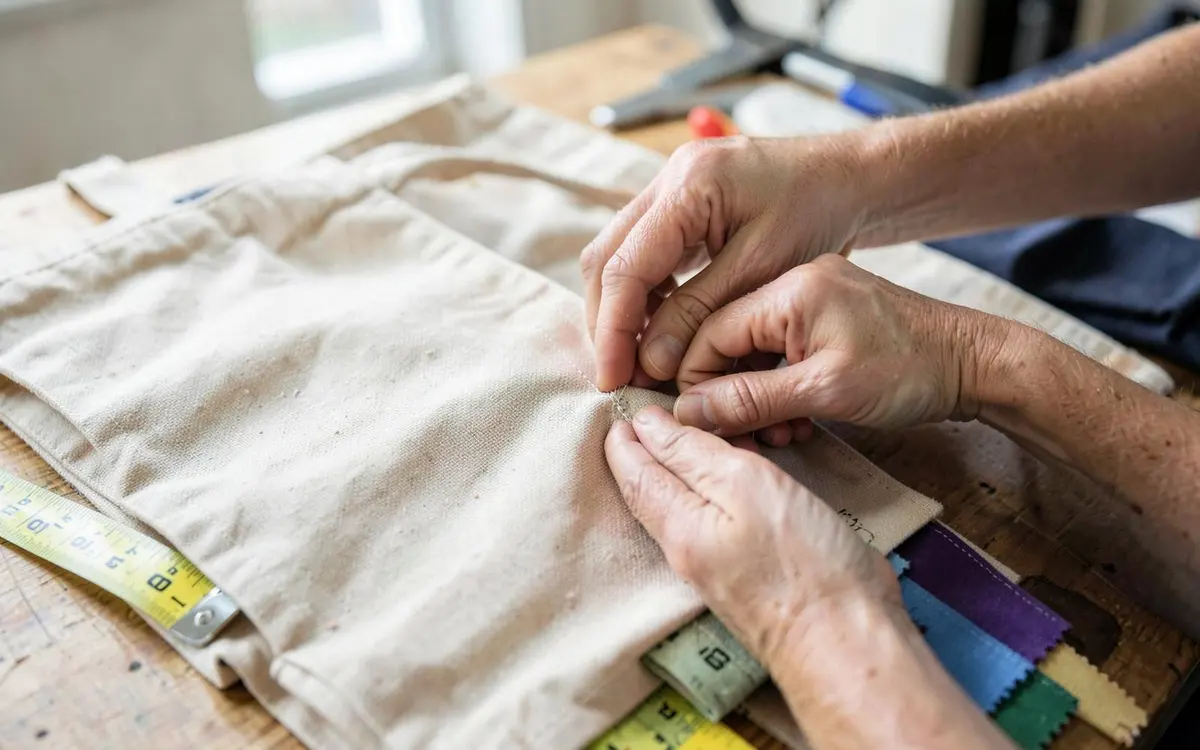
List the largest items the bag must hold and measure them. An A4 document, a laptop, a boxed product, a folded garment, and a water bottle all impose different minimums. Add a small allowance so items slide in without forcing.
- Width should exceed the widest item, with a little clearance
- Height should cover the tallest item and keep contents from protruding
- Depth, or gusset, gives volume for boxes, garments, and bulky contents
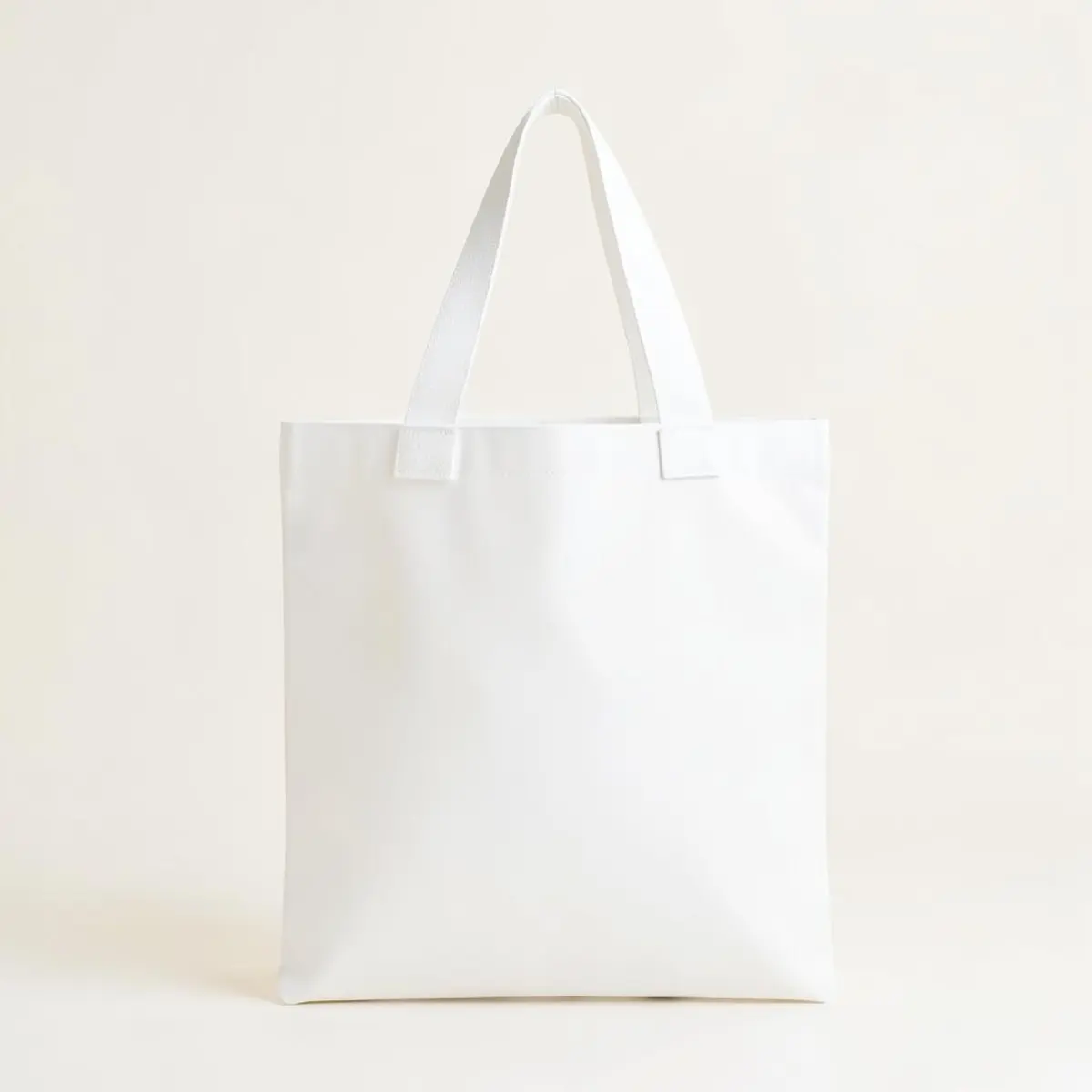
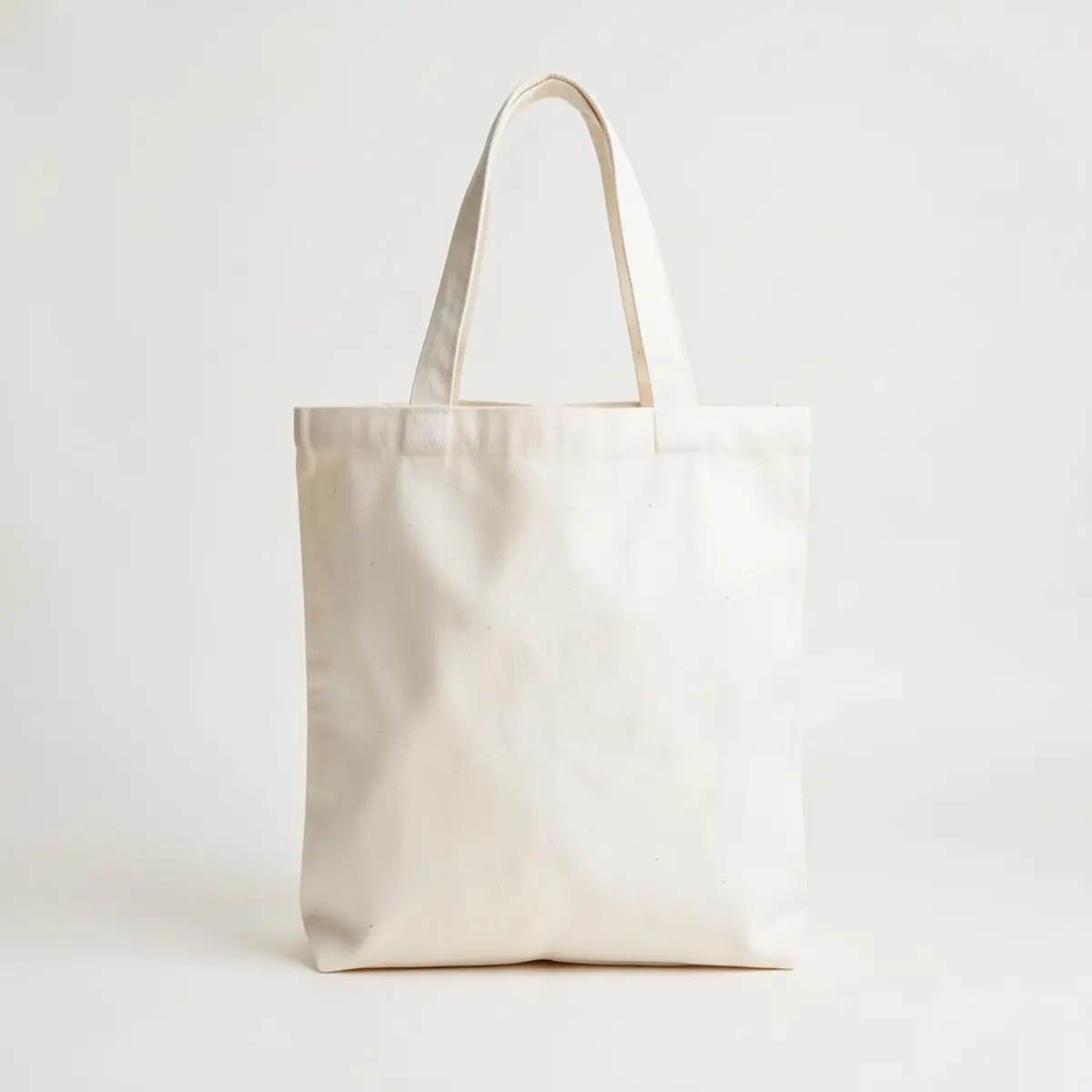
A bag with no gusset lies flat and suits documents and printed material. A gusseted base holds shape and volume, which matters for retail and product packaging use.
Short handles are carried in the hand. Longer handles clear the shoulder, which is what most people expect from an everyday reusable bag. Handle length should be considered together with bag height, since a tall bag with short handles can sit awkwardly against the body.
The same logo looks different on a wide, shallow bag than on a tall, narrow one. If branding is central to the project, sketch the artwork within the intended panel dimensions before confirming size, so the print has the space it needs away from seams and handles.
- Whether the bag must fit inside existing packaging or a display fixture
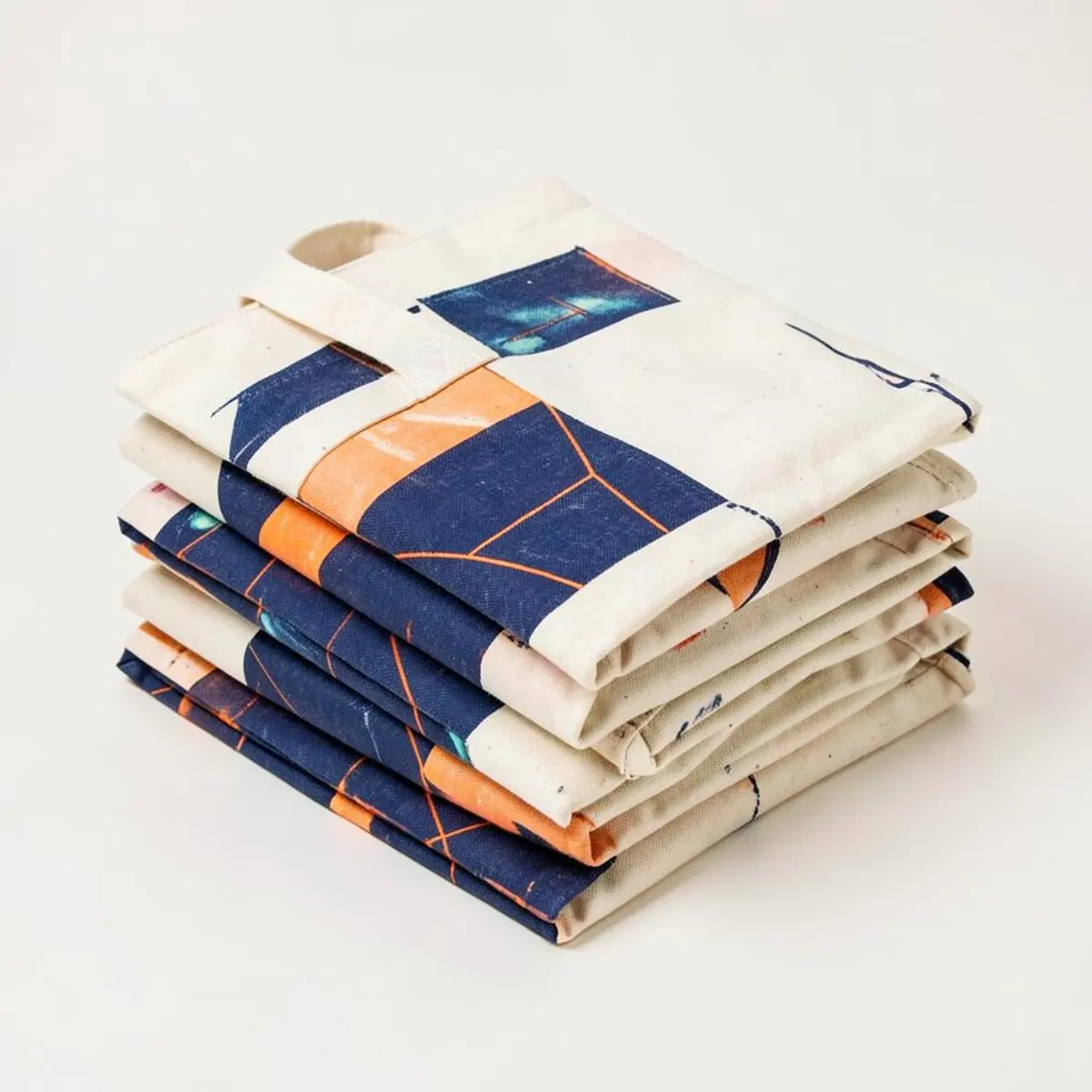
- Whether bags will be folded flat for storage or distribution
- How many units need to fit in a carton, if shipping volume matters
- Whether an insert, divider, or pocket reduces usable internal space
Before approving, put the actual intended contents into the sample. It is the quickest way to catch a dimension that reads well on paper but does not work in use.
Sizes for current models are listed in the tote bag catalog, and dimensions can be adapted as part of a custom specification.