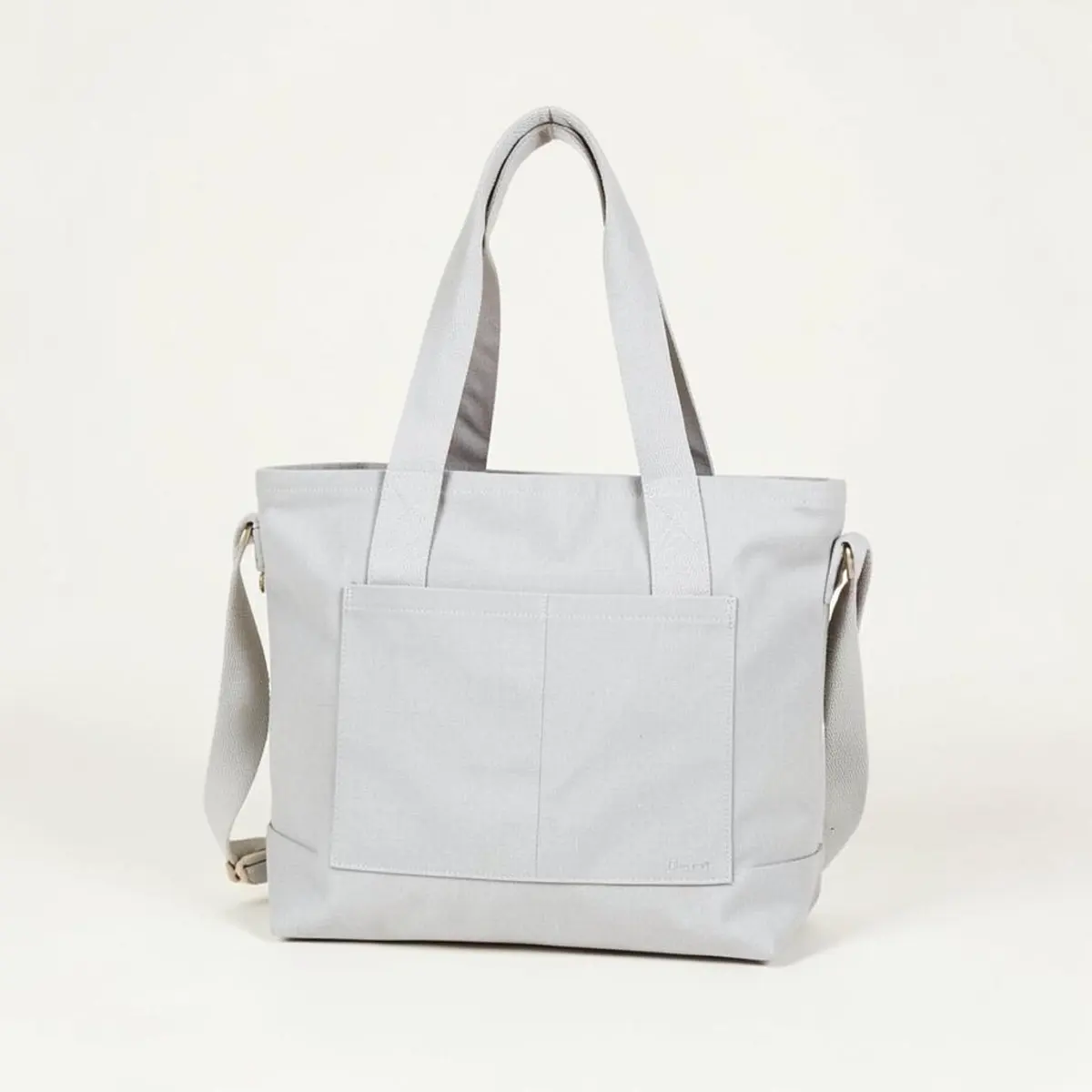
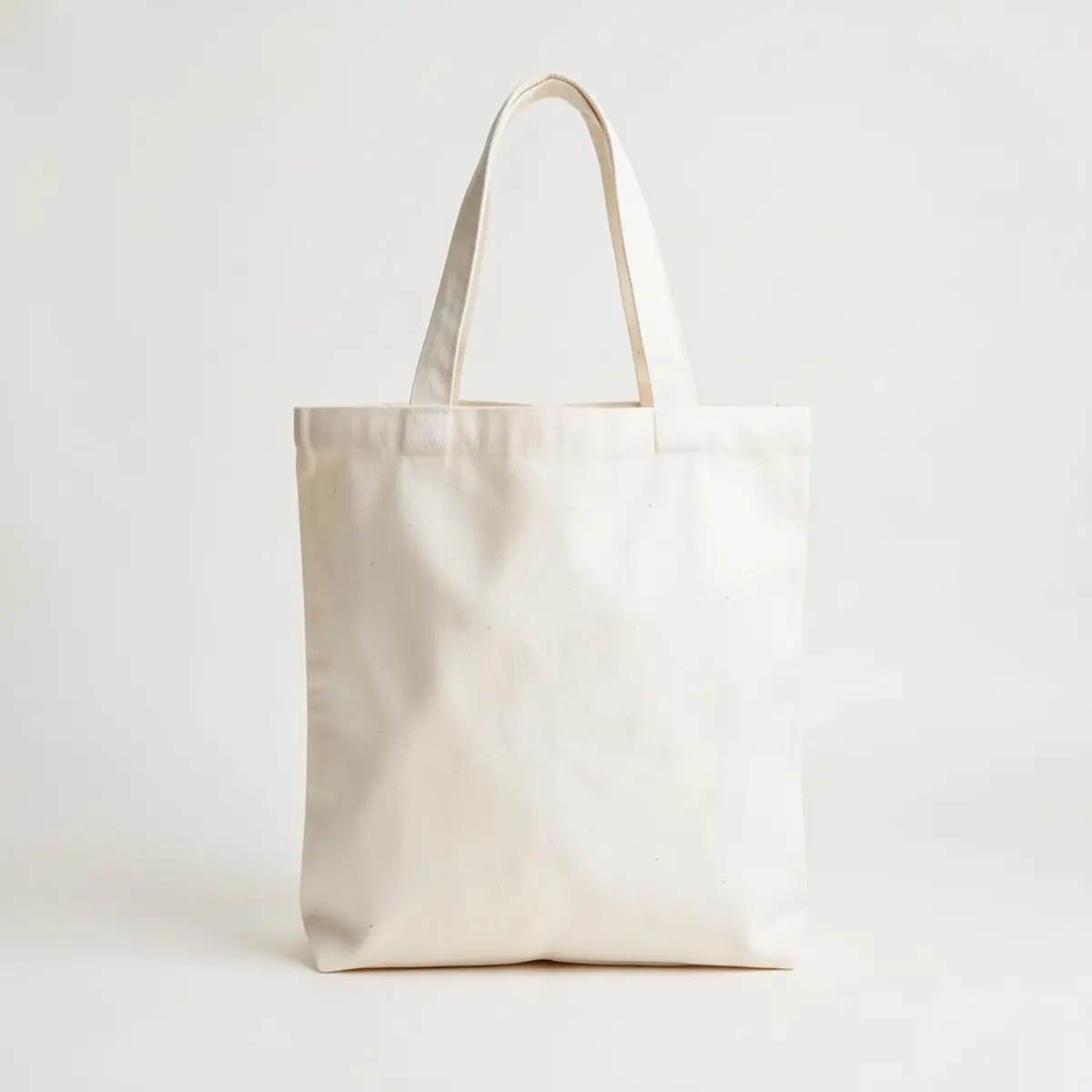
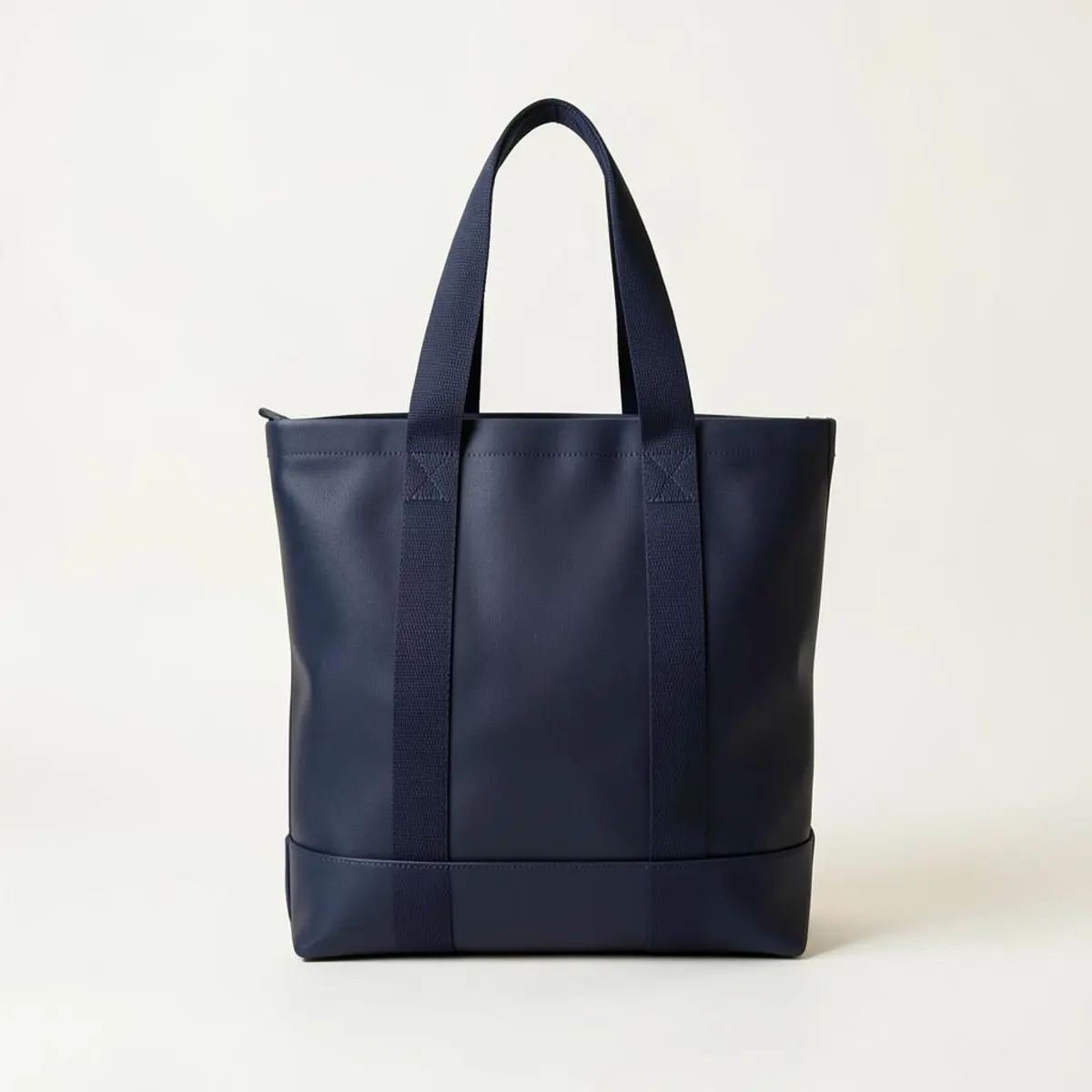
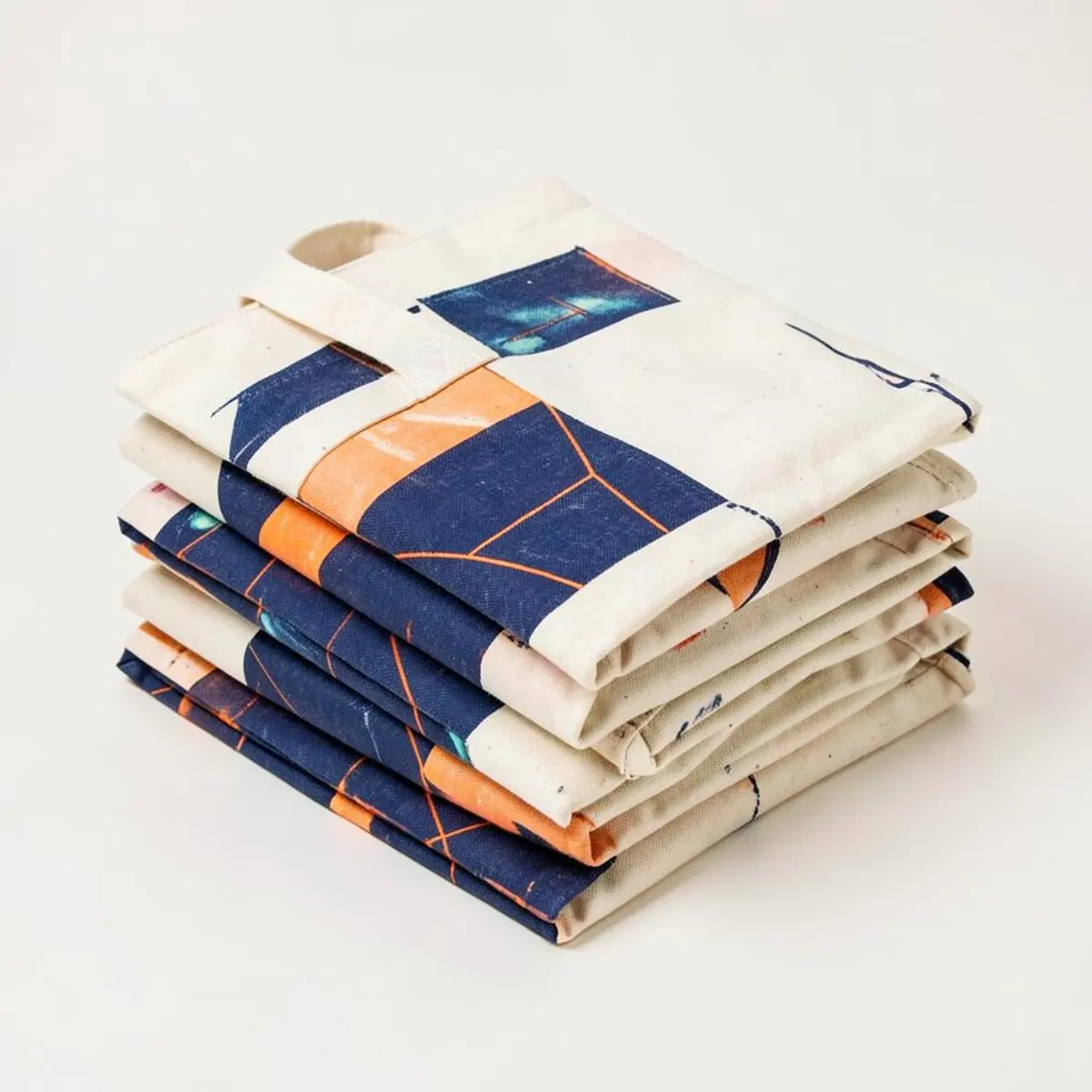
The same product serves very different objectives depending on who is buying it. Recognising the objective early leads to a better specification than starting from a bag model.
Here the bag is part of the product experience, whether sold alongside a range or used as packaging at the point of sale. Structure, finishing, labels, and print quality carry the most weight, and consistency across the run matters because customers see the bags side by side.
Event bags are produced to a date and usually distributed in volume. Practical considerations dominate: the bag must hold the intended kit contents, fold or stack for transport, and be ready before the event with time to spare. Working back from the event date is essential.
Corporate bags represent a company outside its own premises, so brand accuracy is the priority — correct colour, correct logo proportions, correct placement. Since these bags are often reused by recipients, durability contributes directly to how long the branding stays visible.
Schools and universities typically order for orientation packs, programmes, or campus use. Repeat ordering is common, which makes a stable, documented specification valuable so later runs match earlier ones.
Programme and community projects often need clear messaging on the bag and a specification suited to a defined distribution plan. Quantities per location and packing arrangements are worth settling early.
Bags are also used for guest kits, training materials, sample sets, and internal logistics. These projects are usually driven by function: the bag must fit specific contents and stand up to a defined pattern of use.
- What is the bag primarily for, and who receives it?
- Is it used once, or reused over time?
- How much branding does it need to carry?
- Is there a fixed date, and how is distribution organised?
Answers to those questions translate directly into a specification. See what can be customized for the available options, or request a quote describing your application.